

Sell

عربي
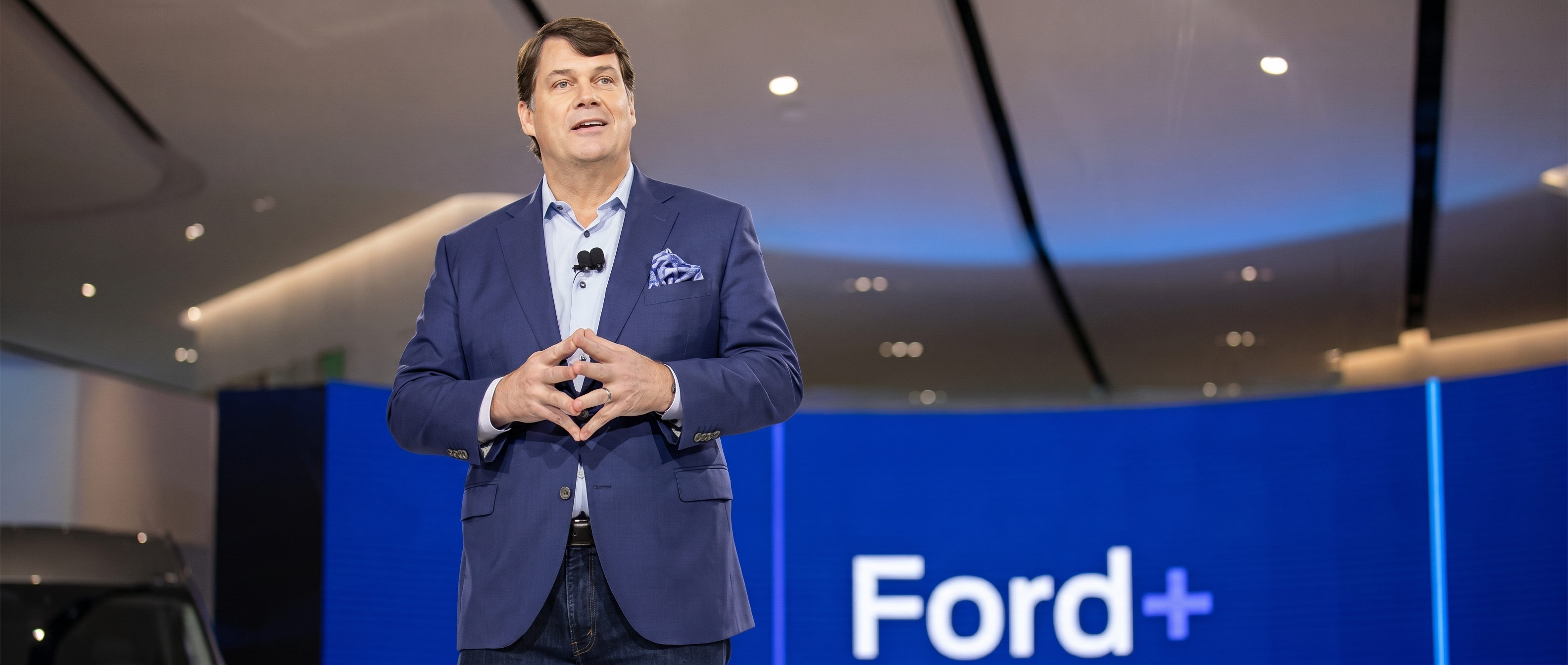
Ford Counters Chinese EVs With New Gas Incentives
 4/18/2026
As the global transition towards electrified mobility intensifies, traditional automotive manufacturers find themselves navigating a highly complex transitional period. Ford, one of the stalwarts of the American automotive industry, is actively employing unique short-term strategies to maintain its market position while confronting mounting pressure from emerging international competitors. Recently, Ford introduced a targeted incentive program offering up to $3,500 in complimentary gas cards to customers purchasing specific combustion-engine models, primarily the Bronco Sport SUV and the Maverick pickup truck. This move underscores the ongoing balancing act legacy automakers must perform amid uneven electric vehicle (EV) adoption rates.
The Strategy Behind Gas Incentives
The decision to offer high-value gas cards represents a pragmatic approach to current market dynamics. While Ford has invested billions into its EV programs, consumer hesitancy regarding total cost of ownership, charging infrastructure, and initial purchase prices persists in several regions. By providing fuel subsidies in states experiencing high gas prices, Ford aims to directly alleviate the immediate financial concerns of buyers who are not yet prepared to transition to fully electric vehicles. The promotion, which strictly prevents combination with other existing discounts, is designed to stimulate immediate sales volume for highly profitable, internal-combustion segments while the company continues to refine its long-term EV roadmap.
Mounting Pressure from Chinese Automakers
This incentive strategy operates against a backdrop of increasing international competition, particularly from rapidly expanding Chinese electric vehicle manufacturers. Ford's CEO, Jim Farley, has been openly vocal about the severe competitive threat posed by brands like BYD and Xiaomi, who benefit from significant cost advantages, localized battery supply chains, and robust government support. Farley has publicly acknowledged the superior cost-efficiency of Chinese EVs and has advocated for policies restricting their unfettered access to the U.S. market, arguing that the playing field is not currently level for American manufacturers.
Ford's dual approach—defending its combustion-engine market share through creative financial incentives while simultaneously restructuring to face global EV rivals—illustrates the intense pressures of the modern auto industry. It is a clear reflection of an industry caught between the realities of today's consumer demands and the unavoidable electric future. Are you keeping an eye on how global trade dynamics are shaping the cars available to you? To stay informed on the latest international automotive strategies,
.png)